




As you would be doing a bird watching tour in China with Sikkim Birds Tour and Travels, now let us give you a brief introduction about the first and the most premium bird watching tour that we conduct every year in the month of June, for approximately 15 to 18 days, covering the Tibetan Autonomous Prefecture and Sichuan.
These are the tentative dates for this birding tour. Here is the itinerary, along with a detailed trip plan for Sichuan and the Tibetan Autonomous Prefecture, covering the endemic birds of China and all the major pheasant groups, that is, the pheasants, along with the Timaliidae babbler groups. Apart from that, whatever birds and other fauna we encounter, we will also note down the mammals and rare reptiles and amphibians recorded during this tour.
This tour is not only a bird watching tour, but also has an important cultural aspect. We will visit different local villages and enjoy the beautiful cuisine of different regions of China. Culturally, it is also important to experience the different towns and villages while taking this bird watching tour through Sichuan and the Tibetan Autonomous Prefecture. Now, coming to the target birds for the month of June, or for the summer period, particularly during May and June, we can target the following species.
China Endemic Birds:
Sichuan Partridge, Chinese Monal, Chestnut-throated Monal Partridge, Chinese Grouse, White-eared Pheasant, Blue-eared Pheasant, Chinese Bamboo Partridge, Sichuan Jay, Père David’s Tit, Sichuan Tit, Sichuan Leaf Warbler, Emei Leaf Warbler, Bianchi’s Warbler, Alström’s Warbler, Martin’s Warbler, Claudia’s Leaf Warbler, Chinese Bush Warbler, Sichuan Bush Warbler, David’s Fulvetta, Chinese Fulvetta, Chinese Babax, Sichuan Treecreeper, Sichuan Thrush, Chinese Thrush, Chinese Blackbird, Fujian Niltava, Chinese White-browed Rosefinch
The exact status of some taxa can vary with current taxonomic treatment, so the final brochure should be checked against the taxonomy being followed for the tour.
Golden Pheasant, Lady Amherst’s Pheasant, Koklass Pheasant, Temminck’s Tragopan, Blood Pheasant, Snow Partridge, Tibetan Snowcock, Ring-necked Pheasant, Silver Pheasant, Northern Boobook, Eurasian Three-toed Woodpecker, Greater Spotted , oodpecker, White-backed Woodpecker, Black Woodpecker, Saker Falcon, Tiger Shrike, Giant Shrike, Amur Paradise Flycatcher, Azure-winged Magpie, Daurian Jackdaw, Yellow-bellied Tit, White-browed Tit, Black-bibbed Tit, Tibetan Lark, Collared Finchbill, Brown-breasted Bulbul, Light-vented Bulbul, Yellowish-bellied Bush Warbler, Black-browed Tit, Sooty Tit, Crested Tit Warbler, Gansu Leaf Warbler, Chinese Leaf Warbler, Yellow-striped Warbler, Alpine Leaf Warbler, Buff-throated Warbler, Sulphur-breasted , arbler, Brown Bush Warbler, Striped Prinia, Golden-fronted Fulvetta, Dusky Fulvetta, Barred Laughingthrush, Giant Laughingthrush, Neocichla Laughingthrush, Plain Laughingthrush, Iliad’s Laughingthrush, Red-winged Laughingthrush, Black-headed , aughingthrush, Buffy Laughingthrush, Rufous-tailed Babbler, Spectacled Fulvetta, Gray-hooded Fulvetta, Three-toed Parrotbill, Spectacled Parrotbill, Gray-hooded Parrotbill, Golden Parrotbill, Ashy-throated Parrotbill, White-collared Yuhina, Chestnut-flanked White-eye, Swinhoe’s White-eye, Eurasian Nuthatch, Chestnut-vented Nuthatch, Crested Myna, Red-billed Starling, Black-collared Starling, White’s Thrush, White-backed Thrush, Zappey’s Flycatcher, Rufous-headed Robin, Black-throated Robin, Firethroat, Fork-tailed Sunbird, Przevalski’s Pinktail, Yellow-billed Grosbeak, Three-banded Rosefinch, Long-tailed Rosefinch, Pink-rumped Rosefinch, Manchurian Rosefinch, Red-fronted Rosefinch, Oriental Greenfinch, Slaty Bunting, Meadow Bunting, Yellow-throated Bunting.
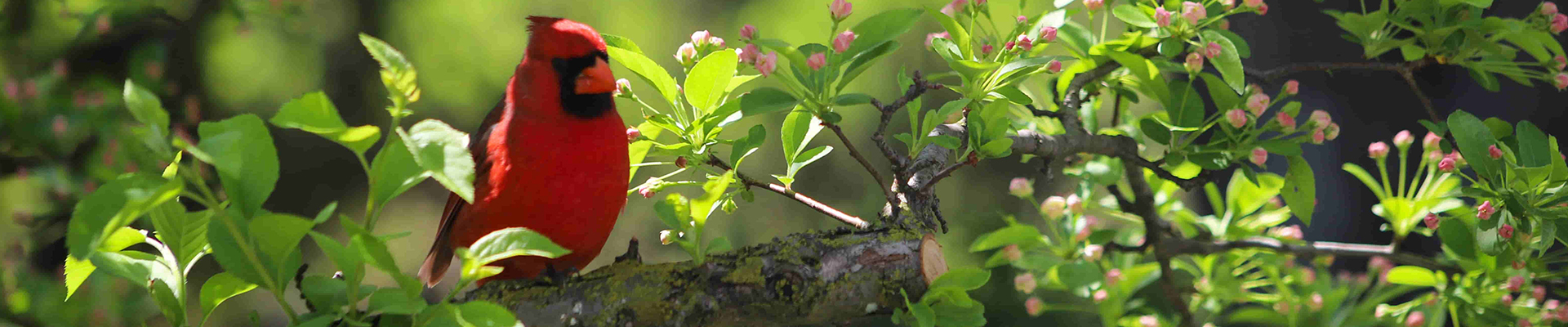


Target Pheasants:
The pheasant group is one of the principal highlights of this premium June expedition, with the possibility of encountering an exceptional selection of China's most charismatic galliforms:
Sichuan Partridge, Chinese Monal, Chestnut-throated Monal Partridge, Golden Pheasant, White-eared Pheasant, Blue-eared Pheasant, Chinese Grouse, Lady Amherst’s Pheasant, Ring-necked Pheasant, Silver Pheasant, Snow Partridge, Blood Pheasant, Koklass Pheasant, Temminck’s Tragopan, Tibetan Snowcock, Chinese Bamboo Partridge
Target Babblers & Laughingthrushes:
The Timaliidae and related babbler groups are another major attraction of the tour. Among the principal targets are:
Black-striped Sibia, Golden-fronted Fulvetta, Dusky Fulvetta, David’s Fulvetta, Barred Laughingthrush, Giant Laughingthrush, Neocichla Laughingthrush, Plain Laughingthrush, Iliad’s Laughingthrush, Red-winged Laughingthrush, Black-headed Laughingthrush, Chinese Babax, Buffy Laughingthrush, Rufous-tailed Babbler, Spectacled Fulvetta, Chinese Fulvetta, Gray-hooded Fulvetta, Three-toed Parrotbill, Spectacled Parrotbill, Gray-hooded Parrotbill, Golden Parrotbill, Ashy-throated Parrotbill, White-collared Yuhina,
Particularly sought-after / doubtful species:
These should be presented separately in the tour material because they are not guaranteed or have taxonomic uncertainty:
Sichuan Wood Owl — a taxonomically interesting form that may differ from Himalayan/Brown Wood Owl; scientific confirmation remains an issue.
Rusty-throated Parrotbill — occasionally reported by birders and highly sought after, but not a reliable or guaranteed target.
Rufous-headed Robin — a possibility depending on conditions and timing.
Birding Hotspots:
Itinerary:
That completes the major route and hotspot framework for the premium June Sichuan–Tibetan Autonomous Prefecture birding tour.
The tour can now be presented as a 15–18 day flagship China birding expedition for the months of May & June every year, combining high-altitude pheasants, China-endemic birds, Tibetan Plateau species, Sichuan/Tibetan babblers and laughingthrushes, montane warblers, woodpeckers, finches and rosefinches, plus mammals, herpetofauna and cultural experiences.
Major birding regions / hotspots now included
Chengdu & surroundings, Baihuatan, Huanhuaxi, Northern Sichuan / Tibetan Plateau, Chuanzhusi, Gongga Ling Pass, Baxi Woodland, Ruoergai Plateau & Grasslands, Flower Lake, Langmusi Gorge, Hongyuan, Hehuatan Mountain, Mengbi Shan, Shigunyang Mountain, Central Sichuan high mountains, Balang Shan, Wolong Giant Panda Reserve, Wolong Lama Temple, Wolong Wuyupeng Research Station, Edge of Labaghe National Nature Reserve, Wayushan, Longkangqiao, Leshan region, Leshan and surrounding birding areas.
This gives the itinerary a very strong geographical progression—from Chengdu's lowland parks, through the Tibetan Plateau and alpine passes, and then back down through the giant-panda forests and montane forests of western Sichuan toward Leshan.
From Tibetan Plateau birds to Terai foothills Hornbills; mixed montane forests coppice - this tiny state has little bit of everything squeezed in it!
© 2026 Sierra Birds. All Rights Reserved. Website developed by ACCENDITORE SOFTWARE PVT LTD.